

Skip to content

Staking

The Institutional Standard for Crypto Staking

The Institutional Standard for Crypto StakingRestakingBitcoin Staking

Connect with us

Thousands of businesses around the world run on BitGo

Brand_new36.jpeg

Globally trusted since 2013

Institutional-Grade Crypto
Staking, Made Simple

3D Coins
  • Safety

    Delegate funds from self-custody hot wallets or regulated, qualified custody in seconds.

  • Flexibility

    Assets can be unstaked anytime without affecting already earned rewards.

  • Transparency

    View on-demand, multi-asset reporting to include all delegation and staking transactions.

  • Simplicity

    Start staking from your BitGo wallet in seconds, with one-click staking.

Secure Execution

BitGo facilitates staking transactions on your behalf to the network, all in accordance with your instructions.

Staking_secure.svg

Regulation-Compliant Processes

True protocol staking, no pooling, and segregated assets
to navigate the evolving regulatory landscape.

aGroup 1000002403.svg

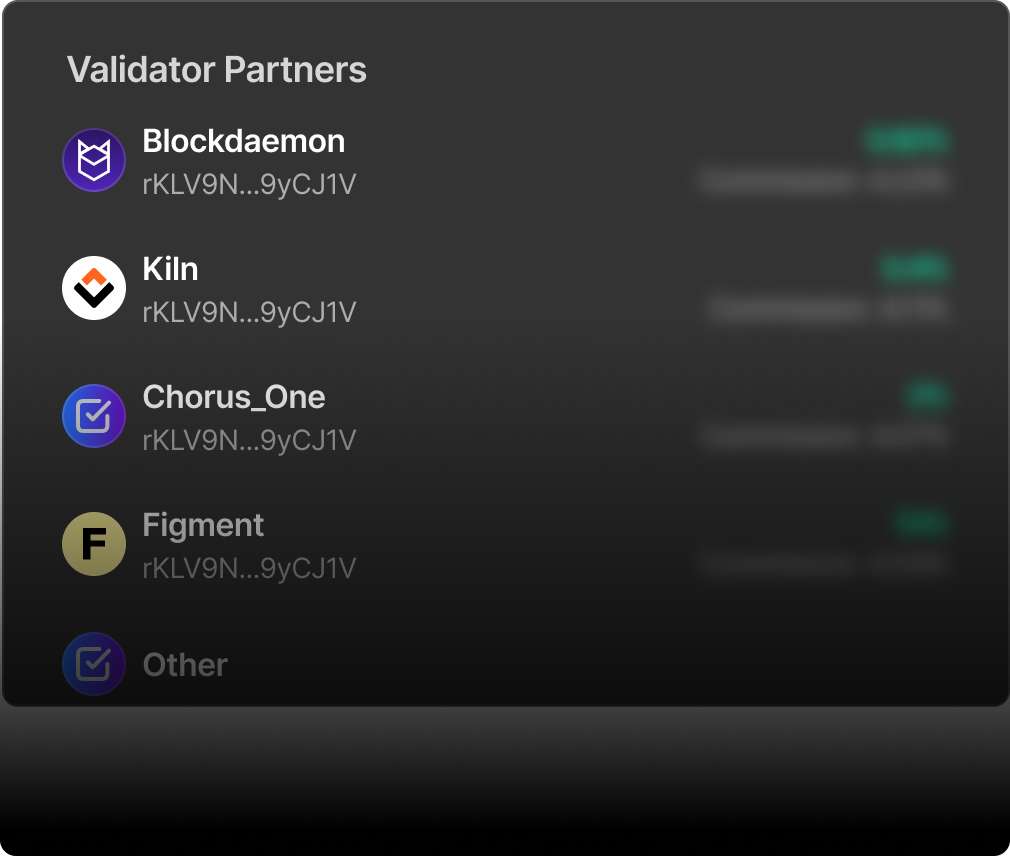
Enterprise-Grade Validators

BitGo conducts a due diligence process that prioritizes the security and resiliency of staked assets while minimizing risks such as slashing.

Group 1000002407 (1).png

Institutional Bitcoin Staking and Restaking Solutions

How It Works

Thousands of Businesses Around the World Run on BitGo

Deploy assets, manage rewards, and generate comprehensive reports across your entire portfolio, all from a single, regulated interface.

FAQs

Learn More About Crypto Staking

What is staking?

Staking is a way of earning rewards for holding or locking up certain cryptocurrencies which allows for supporting the security and operations of a blockchain network.

Why stake your assets?

Reward generation

For most long term digital asset holders, staking allows them to have their assets generate rewards.

The supply of most proof-of-stake coins continues to go up without a maximum cap and staking allows user to hedge against inflating supply by generating rewards.

Protocol participation

Staking contributes to the security and efficiency of blockchain projects, strengthening the ability to process transactions.

For some protocols, staking allows users to vote in governance sessions and help steer the direction of the blockchain project.

How does staking work?

Users can delegate funds from both self-custody hot wallets and qualified custody wallets to either BitGo operated validators or user's preferred validators based on the blockchain in order to earn rewards.

How are rewards handled?

Depending on the protocol, rewards may either accrue or be held in an escrow smart contract until a user initiates a withdrawal command.

Do I need to be a BitGo custody client to use BitGo staking?

Staking is available for both BitGo Bank & Trust, National Association, and verified BitGo Inc. customers.

How does cold staking work on BitGo?

From self-custody cold wallets, the funds remain under your control and are not eligible for withdrawal until unstaked by customer. Because the keys for the deposit contract/staking account are held by BitGo, these funds are covered under BitGo's insurance policy.

Do our assets ever leave custody, or do they stay under our control?

Assets stay under your control throughout the staking process; how assets are held during staking depends on the wallet type. With self-custody cold wallets, clients retain control of their keys, and funds aren't eligible for withdrawal until the unstaking process is initiated and completed. Assets staked from segregated wallets remain segregated and aren't pooled with other clients' assets. Go Account staking is structured differently, with assets from multiple clients pooled for staking while BitGo tracks each client's holdings and rewards separately.

Who bears the risk of slashing, and how is it handled if it occurs?

Slashing risk is tied to validator performance, which is why validator selection matters. BitGo conducts a due diligence process focused on the security and resiliency of staked assets, aimed at minimizing risks such as slashing before delegation ever happens. Clients can also delegate to their preferred validators depending on the blockchain, giving them a say in that risk profile. If a slashing penalty occurs, BitGo will use commercially reasonable efforts to replace the lost tokens, subject to the exclusions, notice requirements, and liability caps in the Staking & Delegation Services Terms. We'd recommend reviewing specific protocol terms with your BitGo representative, since slashing conditions vary by network.

What net staking yield can we realistically expect after fees and commission?

Staking rewards vary by asset, protocol, and market conditions, so we don't publish a fixed net yield figure. Clients can view reward rates by asset before delegating and monitor performance through BitGo's reporting dashboard. Because reward rates and any associated fees can change, we'd encourage reviewing current rates for your specific assets directly in the platform or with your BitGo representative rather than relying on a general estimate.

How do lockups and unbonding periods affect our ability to access assets?

Assets can be unstaked at any time without affecting rewards already earned, though the exact unbonding timeline depends on the underlying protocol. During protocol bonding and unbonding periods, assets and rewards may be unavailable, may not earn rewards, and can't be transferred or withdrawn. From self-custody cold wallets, funds aren't eligible for withdrawal until the unstaking process is initiated and completed on that network. Because lockup and unbonding periods vary by asset, we'd recommend confirming the specific timeline for your protocol before committing assets.

How is BitGo's staking structured for institutional regulatory requirements?

BitGo supports staking across both segregated wallets and Go Accounts. Assets staked from segregated wallets remain segregated and aren't pooled with other clients' assets. Go Account staking uses a different structure, where assets from multiple clients are pooled for staking while BitGo tracks each client's holdings and rewards separately. Staking is available to both BitGo Bank & Trust, National Association clients and verified BitGo, Inc. customers. Staking from custodial wallets is provided by BitGo Bank & Trust, National Association, and covered by BitGo's insurance policy, subject to its terms, limits, and exclusions. Staking from self-custody wallets are provided by BitGo, Inc.

How is staking reward income reported for tax and accounting purposes?

BitGo provides on-demand, multi-asset reporting that captures delegation and staking transactions, giving your team a consolidated view of activity across your portfolio. That said, BitGo doesn't offer tax or accounting advice, and how staking rewards are treated for tax purposes will depend on your jurisdiction and specific circumstances. We'd recommend working with your tax and accounting advisor to determine the appropriate treatment, using BitGo's reporting as your data source.

Which validators are used, and how is their performance and uptime monitored?

BitGo handles validator selection and provisioning as part of the delegation process, with a due diligence process that prioritizes security and resiliency while minimizing risks like slashing. BitGo also works to maximize validator uptime so clients earn more consistently. Clients delegating from self-custody wallets can choose their preferred validators depending on the blockchain, rather than relying solely on BitGo-operated validators.

Staking from self-custody hot wallets is provided through our BitGo Inc. entity, and from custodial wallets through our BitGo Bank & Trust, National Association entity. Learn more.

Own Your
Financial Future

CTA