Class III bank vaults
Custody Wallets
Safeguard Your Digital Assets
Get insured, regulated qualified custody with custodial wallets designed for institutions-where private keys for your digital assets are secured offline in cold storage.
Globally trusted since 2013
Best for
Protecting your long term holdings
BitGo customers typically hold the majority of their digital assets in custodial wallets, optimizing for security, regulatory alignment, and long-term asset protection.
Key management
Custody Wallet
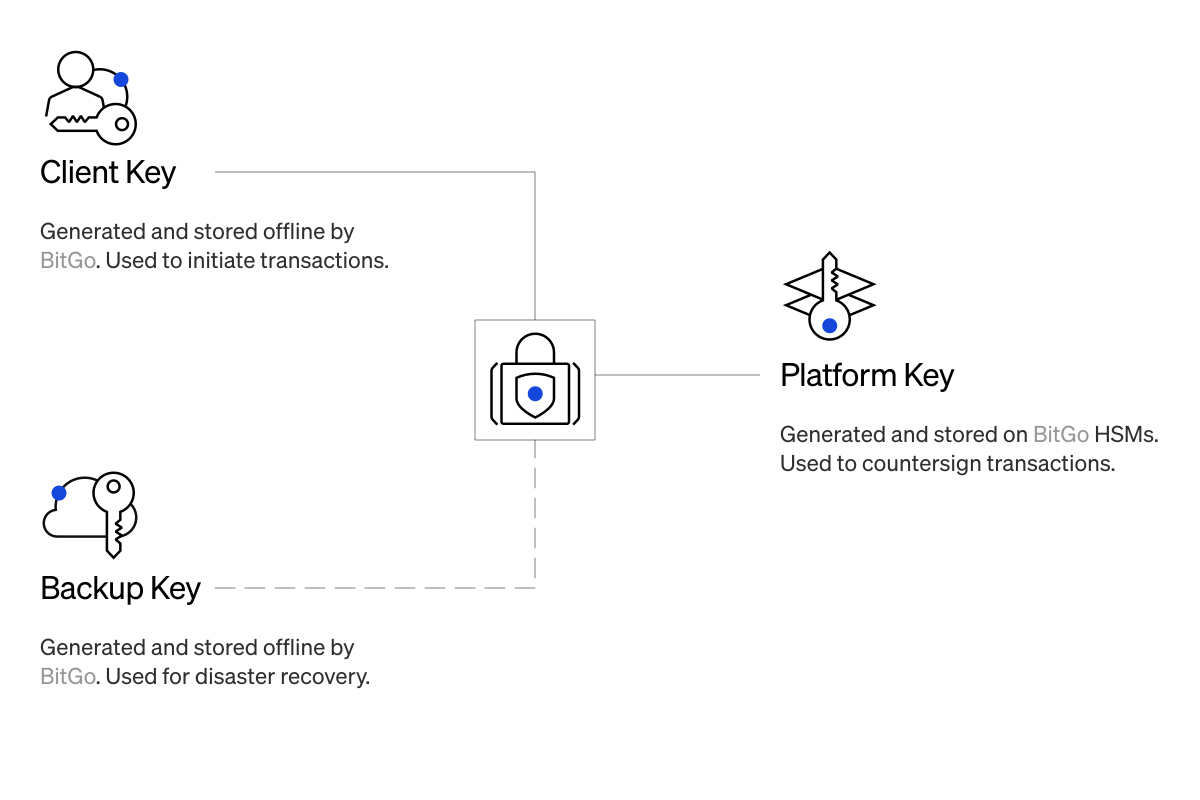
With custodial wallets, BitGo holds all three private keys and secures them in cold storage, fully isolated from internet-connected systems.
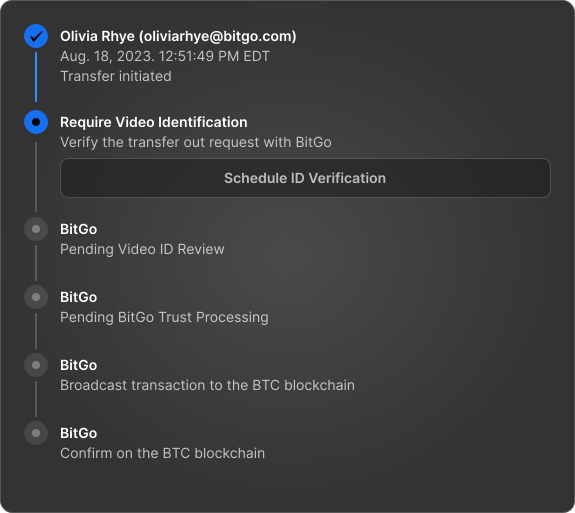
To move funds, clients must initiate a transaction through BitGo and complete a series of security and verification checks.
-
9.3M+ Wallets Created
-
1700+ Assets Supported
-
$3T Lifetime Transactions
Keeping your digital assets secure, one feature at a time
-
-
Initiate withdrawals 24/7
Withdraw funds at any time, with transactions processed within a defined 24-hour SLA.
-
Identity verification
Apply identity verification procedures and controls to protect access and authorize transactions.
-
Whitelisting
Pre-approve the addresses where assets can be sent.
-
velocity controls
Set limits on how much can move in a given timeframe.
-
User policies
Set roles and permissions on an individual level to enforce governance across custodial wallets.
Supporting thousands of businesses around the world
FAQs
If BitGo were to face financial distress, how are our assets legally protected and segregated?
If BitGo were to face financial distress, how are our assets legally protected and segregated?
Custodial wallets at BitGo are structured to keep client assets segregated from corporate balance sheets. Assets are held within regulated entities, ensuring they remain protected and separate in the event of financial distress.
What does 'qualified custody' actually mean in practice for our compliance obligations?
What does 'qualified custody' actually mean in practice for our compliance obligations?
Qualified custody with BitGo means digital assets are held within regulated trust entities that meet jurisdictional requirements for safekeeping, reporting, and oversight. Custodial crypto wallets are designed to support institutional compliance obligations while maintaining strict security controls.
How does BitGo provide transparency into holdings, movements, and controls for audit purposes?
How does BitGo provide transparency into holdings, movements, and controls for audit purposes?
BitGo provides detailed audit trails, reporting tools, and policy enforcement within its custody wallet infrastructure. This enables clients to monitor asset holdings, track movements, and demonstrate internal controls for audits and regulatory reviews.
What are the real trade-offs between BitGo custody and self-custody for an institutional investor?
What are the real trade-offs between BitGo custody and self-custody for an institutional investor?
Custodial wallets shift operational responsibility to BitGo, reducing key management risk while providing regulated oversight and infrastructure. In contrast, self-custody offers direct control but requires institutions to manage security, governance, and compliance independently.
How does insurance actually work-what events are covered, and what gaps should we be aware of?
How does insurance actually work-what events are covered, and what gaps should we be aware of?
BitGo maintains insurance coverage for assets held within custodial wallets where applicable. Coverage is designed to protect against specific risks, with clear terms outlining included events and limitations, allowing institutions to assess residual risk as part of their custody strategy.
Custody wallets are provided through our BitGo Bank & Trust, National Association, BitGo New York Trust Company, LLC, BitGo Europe GmbH, and BitGo GmbH (Switzerland) entities. Learn more.